
Digital Advertising Management: Strategies, Tools, and Future Trends
10/14/2025
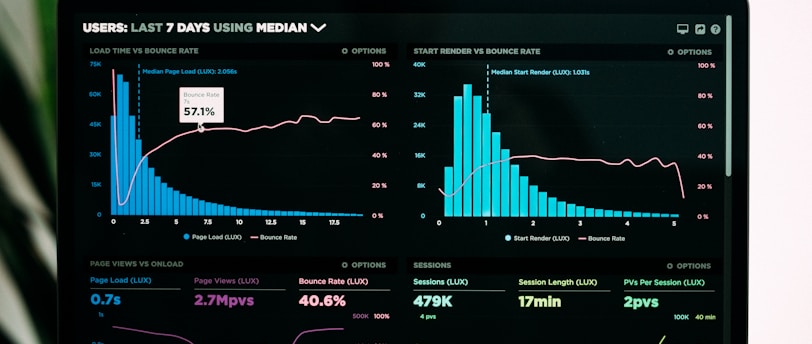

In today’s competitive digital landscape, advertising management has become central to achieving marketing goals. It is not merely about budget allocation and ad placement but a dynamic process involving strategy design, data analysis, cross-channel integration, and continuous optimization. Here are the key elements and trends in digital advertising management:
1. Strategic Design of Advertising Campaigns
A campaign is the smallest strategic unit in digital advertising, requiring clear objectives, audience targeting, budgeting, and creative assets. For example:
Goal-Oriented Planning: Brand awareness campaigns focus on impressions and reach, while performance-driven campaigns prioritize conversion rates or ROAS.
Audience Segmentation: Divide user groups based on profiles (e.g., geographic location, interests) for precise targeting.
Channel Mix: Integrate search ads, social media, and short-video platforms to create a complementary traffic ecosystem.
2. Data-Driven Optimization Cycle
Successful advertising management relies on continuous monitoring and iteration:
Key Metrics Tracking: Analyze CTR, conversion rates, and ROAS through tools like UTM parameters and attribution models.
Dynamic Adjustments: Monitor daily fluctuations, refresh underperforming creatives every 72 hours, and adjust bids based on time-sensitive performance.
Cross-Channel Synergy: Use retargeting lists to guide traffic from brand awareness campaigns to conversion campaigns, enhancing user journey coherence.
3. The Transformative Role of AI
By 2025, AI is redefining advertising practices:
Automated Creative Generation: Tools like Google’s Asset Studio instantly produce multiple ad variations and conduct A/B testing.
Predictive Automation: AI algorithms leverage historical data to forecast trends and allocate budgets to high-performing ad sets.
Keyword-Free Targeting: Google’s AI Max for Search uses semantic understanding to match user intent, reducing reliance on manual keyword setup.
4. Future Challenges and Opportunities
With the phase-out of third-party cookies, first-party data and Retail Media Networks are becoming crucial for precision marketing. Meanwhile, cross-platform data integration tools (e.g., FineBI) help break down data silos and provide a holistic view of performance. Businesses must balance automation with human creativity, leveraging technology for efficiency while using compelling content to build deeper consumer connections.
© AI Venture Academy Limited. All rights reserved.

Services
RM 1705, 17/F, DE HUA TOWER, 32 HUNG TO ROAD, KWUN TUNG, KLN
123-456-789


